The Mining Settlements
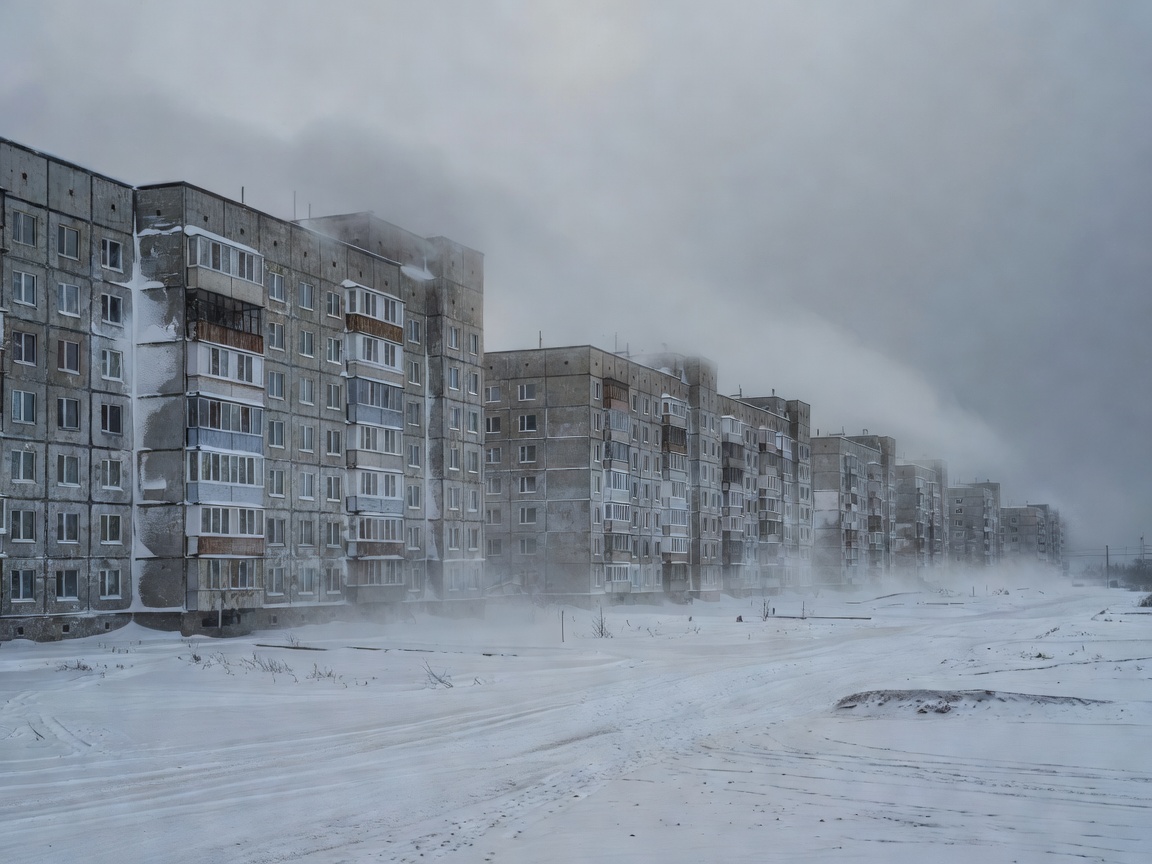
Unlike manufacturing centers built along trade routes or rivers, extraction towns were dictated entirely by subterranean geology. The architecture was an afterthought; the resource was king.
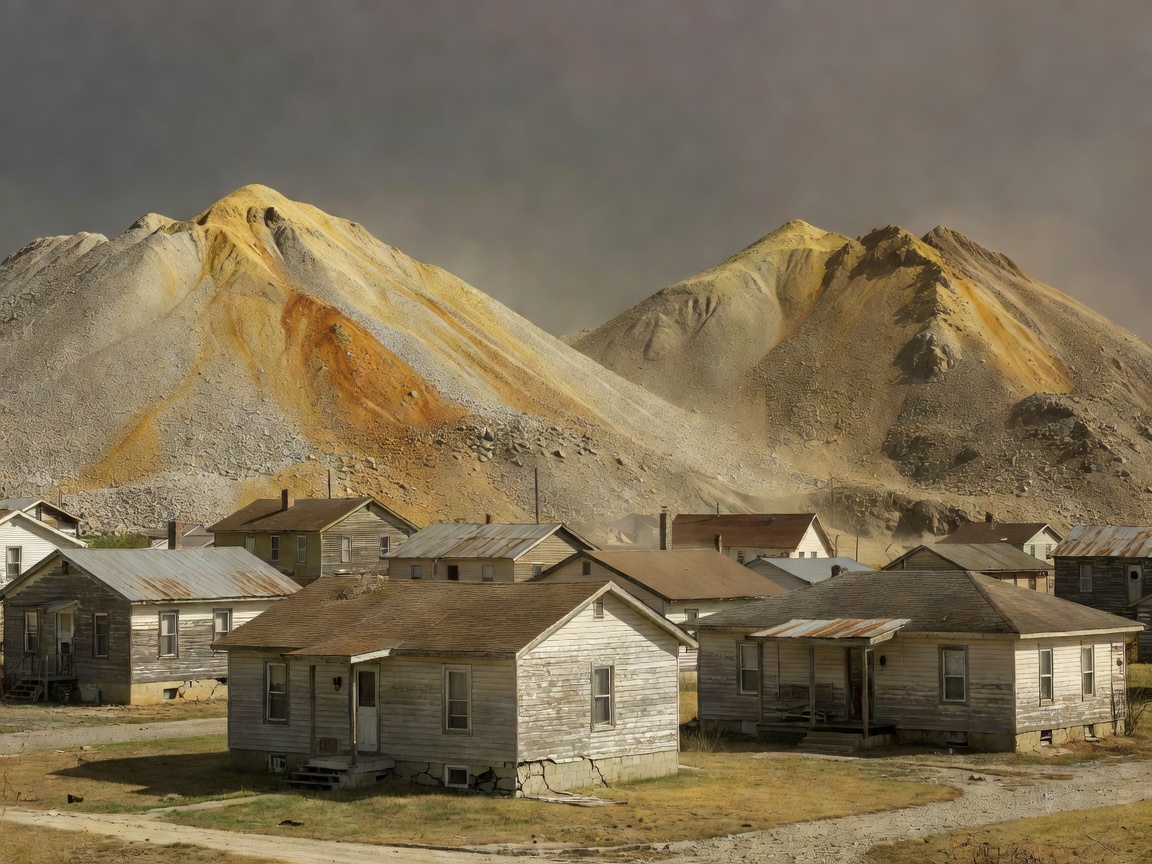
Architectural Legacies
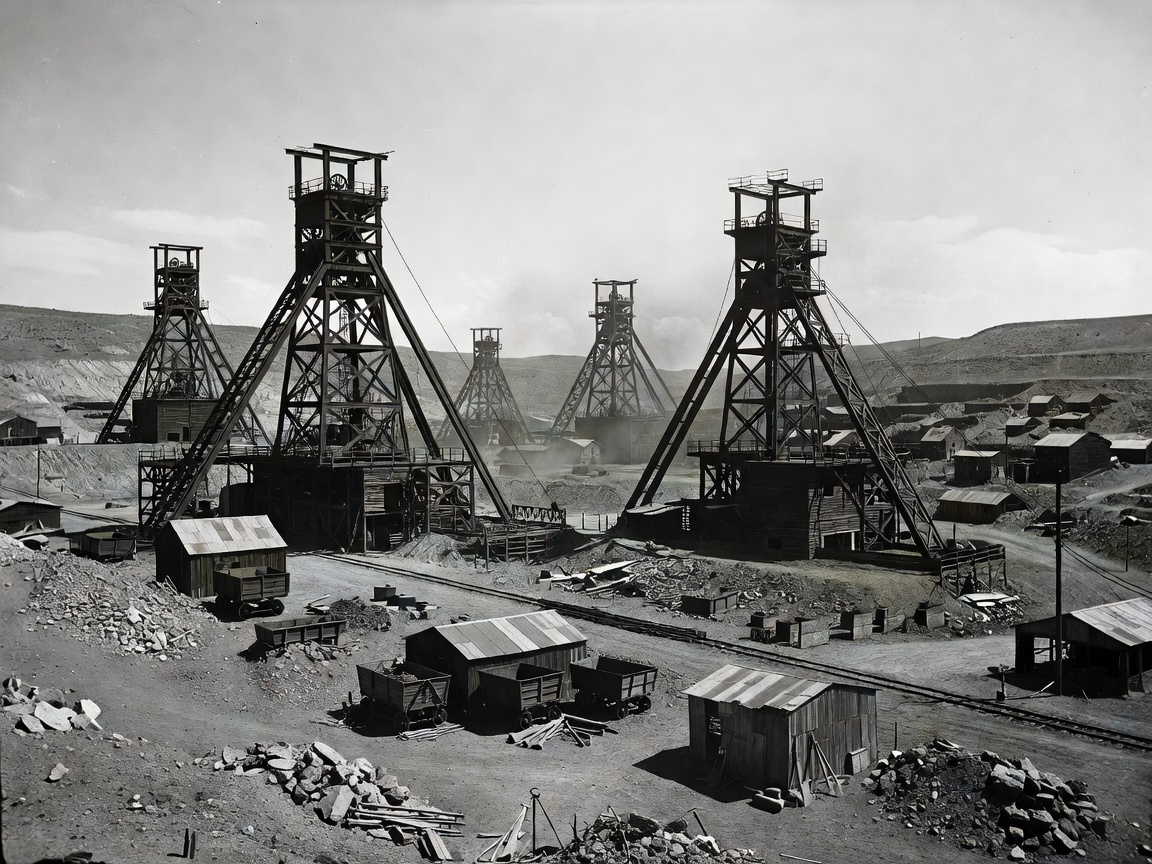
Extraction towns share a utilitarian, often impermanent aesthetic. In places like Butte, Montana (once known as "The Richest Hill on Earth"), grand Victorian architecture built by copper kings stood in stark contrast to the sprawling, hazardous mine yards that operated relentlessly beside them.
Labor and Lifestyle
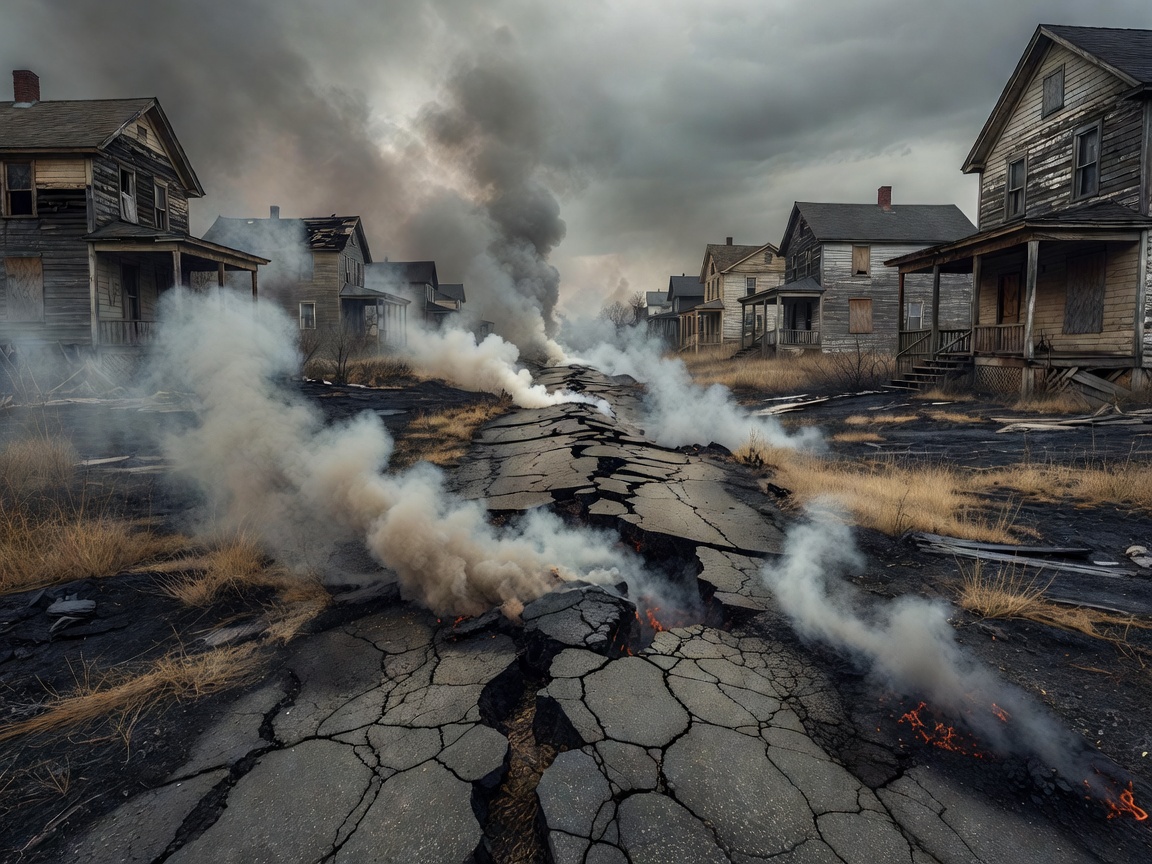
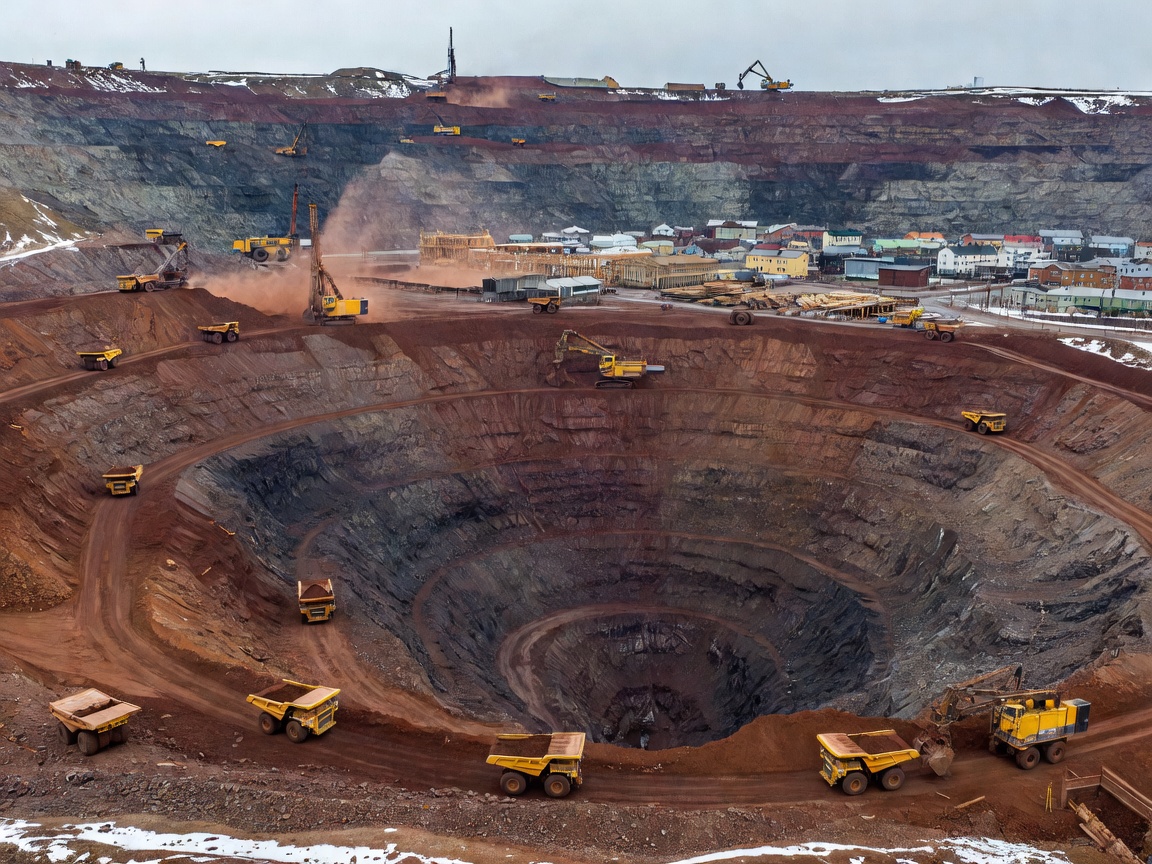
The lifestyle in extraction towns was precarious. Towns like Centralia, Pennsylvania, and Picher, Oklahoma, faced literal erasure due to the very industries that birthed them—underground mine fires and toxic lead contamination, respectively. Today, the Swedish town of Kiruna is undertaking a massive, multi-decade project to physically move the entire municipality two miles east to avoid collapsing into the expanding iron mine beneath it.